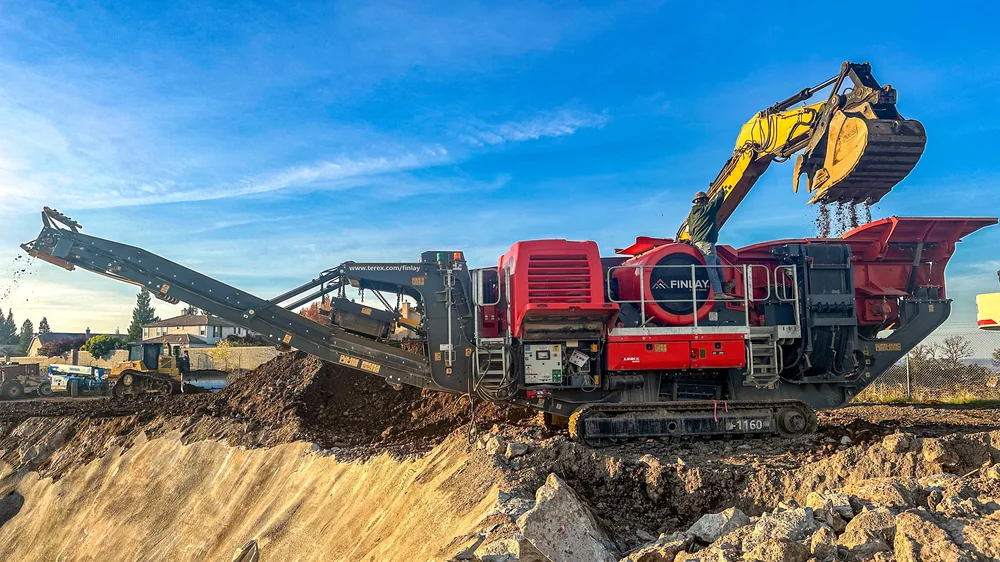
Renting can make sense for a defined project, a temporary production increase or a replacement while another unit is down. Buying is worth pricing when the machine will be used regularly across multiple jobs or will become part of a permanent production setup. Start with how long you need it and how many hours you expect it to run.
Compare both choices over the same period. On the rental side, ask about the rental rate, delivery and pickup, included hours, wear and maintenance responsibilities, and extension charges. On the purchase side, include the equipment price, freight and setup, financing if applicable, parts and service, and the likely resale value at the end of the period. Compare both against expected operating hours or tons produced. If the project could run longer, price that scenario before you decide.
Ask about a rental purchase option early. Some equipment may qualify. Ask which units are eligible, what terms apply and how the purchase would be handled before you rent.
Before asking for a quote: Have your jobsite, dates, feed material, finished product and expected tons per hour ready. If you are replacing a unit, include the existing model and what the new machine will connect to.